Normally in this issue we’d be telling you all about the Oregon Bach Festival’s upcoming concerts. But “normally” scampered off a while back, to return who knows when, if ever. Instead, the virus crisis has forced the venerable institution to celebrate its 50th anniversary by streaming archival recordings to replace its canceled 2020 festival — essentially a half century’s greatest hits.
Hosted by Eugene’s own golden-voiced classical music announcer Peter van de Graaff, the Radio Festival will be broadcast live on KWAX, 91.1 FM, (over the radio and on its website) from June 26 through July 10; it will feature one-time (no online archiving) OBF performances recorded from 1979 through last year.
Traditionalists will swoon over staples like Bach’s St. Matthew (June 26) and St. John passions (July 3, and featuring the incomparable bass-baritone Thomas Quasthoff), Monteverdi’s Vespers (July 1), Mozart’s Mass in C minor and Handel’s Messiah (June 29), Verdi’s Requiem (June 30) and so many more.
New music fans will appreciate the chance to hear world premieres of contemporary commissions next month.
Celebrated Scottish composer James Macmillan’s A European Requiem airs July 7, and Ralph M. Johnson’s short, sweet This House of Peace, June 30. The July 9 broadcast features selections from American composer Richard Danielpour’s The Passion of Yeshua (which debuted at last year’s fest) and from Sven-David Sandström’s modern, moody Messiah, along with the expansive Grammy-winning Credo by great 20th-century Polish composer Krzysztof Penderecki, who died earlier this year.
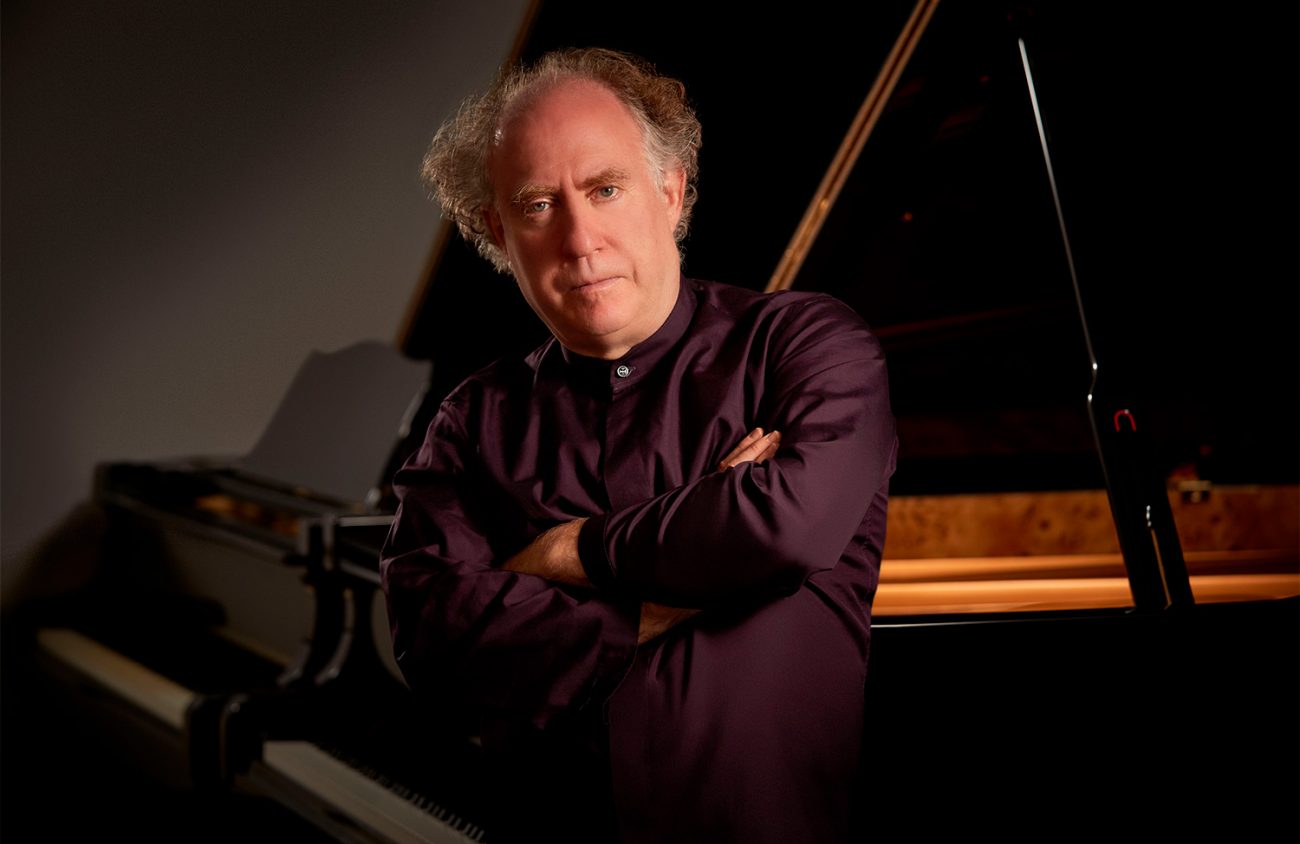
You can also tune in to Quasthoff’s memorable, must-hear 1998 recital on July 8, in a segment that also includes festival fave pianist Jeffrey Kahane leading the OBF orchestra in Beethoven’s fourth piano concerto. Other concerts include Bach’s ever-popular Brandenburg Concertos on July 6 — a perfect intro for classical newbies and perennial for OG baroque fans — Mendelssohn’s delightful A Midsummer Night’s Dream July 2, and classics by Schubert, CPE Bach (June 30, from 2019, the most recent show), and, sprinkled throughout, cantatas by his dad, the festival’s namesake.
Most of these performances were conducted by the festival’s founding music director, Helmuth Rilling, one of the 20th century’s most respected Bach specialists. But the closing July 10 broadcast may be Johann Sebastian’s ultimate creation, the mighty B minor Mass, was conducted by Rilling’s successor, Matthew Halls.
In that and the July 1 concert, Halls leads an orchestra of early music specialists playing on the instruments and in the tunings closest to what Bach intended — signaling Halls’ valuable transformation of the festival toward historically informed performances, which we fervently hope will continue, even in his absence. So it’s at once the most historical performance in the lineup — and the most forward looking, and an excellent chance to compare Halls’ and Rilling’s very different approaches.
Finally, if you want to hear contemporary classical music by Oregon composers, check out Cascadia Composers’ 10th annual In Good Hands recital, featuring talented student performers from the Eugene and Portland metro areas performing homegrown new solo piano music written by Cascadia Composers members David Bernstein, Daniel Brugh, Ally Rose Czyzewiez, Dianne Davies, John De Runtz, Adam Eason, Jan Mittelstaedt, Lisa Neher, Timothy Arliss O’Brien, Paul Safar and Nicholas Yandell. It’s live at 3 pm Saturday, July 11, via Zoom and archived at CascadiaComposers.org.
Anyone who’s been writhing in Zoom hell for the past few months knows that online can’t fully replace in-person experiences — but for now, it’s all we’ve got.
To attend the 3 pm July 11 Cascadia Composers’ recital, visit us02web.zoom.us/j/81467376063.